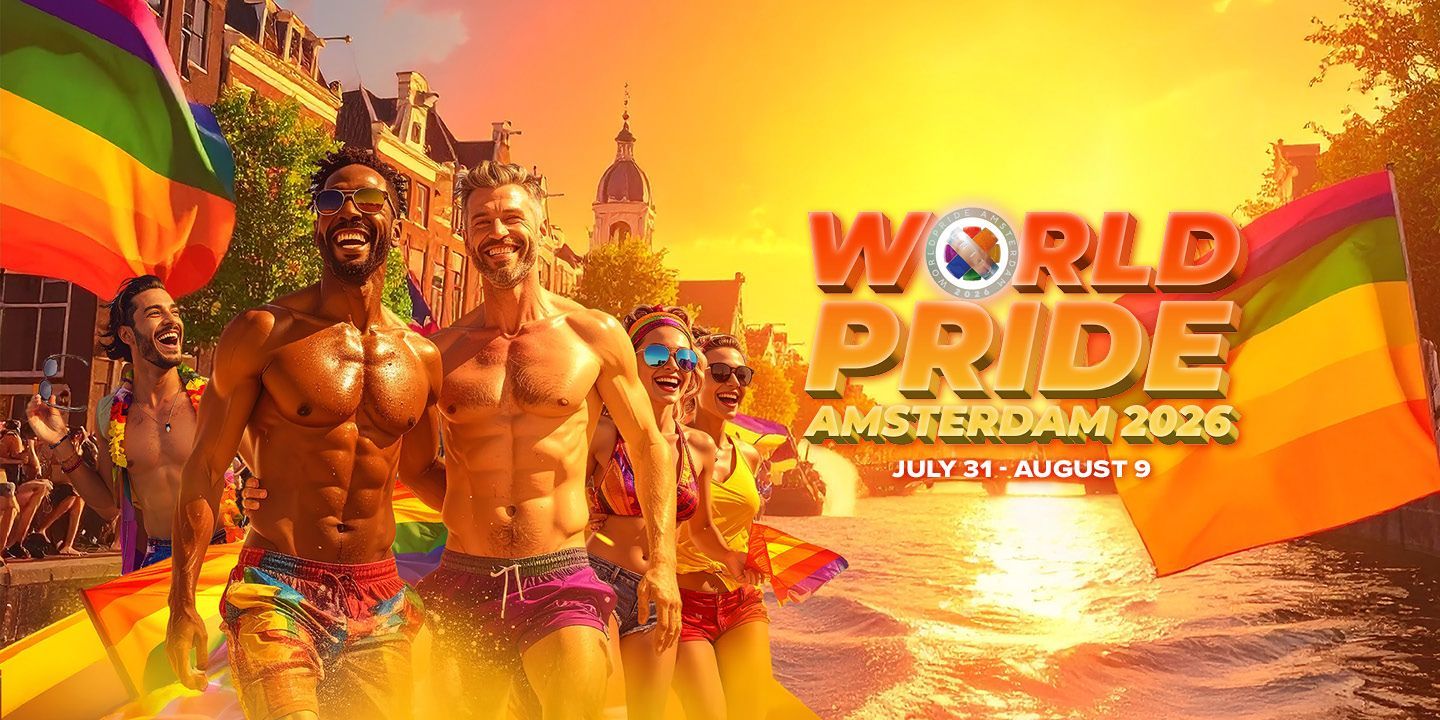
For decades, the thought of an LGBTQ+ cruise brought to mind one thing: a mega ship full of shirtless gay men — mostly cis, white, buff and tanned — plying the waters of the Caribbean to seemingly endless club music. And while that type of cruising is certainly still available and popular in some corners of the community, the ship options, itineraries and vibes have expanded tremendously. In today’s world, queer cruising might mean an LGBTQ+ family getaway on a typical (“straight”) itinerary, a group of Black lesbians chartering a luxury yacht to sail the coast of Spain for a week or a food-and-wine-focused European river cruise aimed at queer couples.
For sure, the LGBTQ+ community is a diverse one and not a demographic that a cruise line or travel operator can market to in one way or as a single entity.
“There’s just so much variety within the community,” said Rob Clabbers, the president of Q Cruise + Travel. “One of the biggest trends is that cruise lines and the operators that charter and run these specific LGBTQ-type cruises are all starting to realize that and are adjusting products to suit the desires of all these different groups within that big rainbow community.”
Clabbers noted that for those who do specifically want an all-queer experience, they now have that option in many destinations around the world.
“If you want to basically be at a circuit party on the big ship in the sun, you can do that. But if you want to travel with people that probably are a little bit more mature and have an interest in more than just partying, you can do that, too,” he said.
At the same time, he noted, some LGBTQ+ travelers aren’t looking to go on a queer cruise specifically. They will pick a cruise line and an itinerary that interests them. The focus for these travelers is simply to go, be accepted, have a wonderful experience and be given the same courtesy and respect that other travelers would get on a mainstream cruise.
“Most of the clients at our agency tend to come to us and say, ‘I just want to have a wonderful time. I don’t want to be feeling awkward when my husband and I are having dinner in the restaurant, celebrating an anniversary.’ And these days, I think it’s rare that we hear that is not accepted on a cruise ship. Most crews are perfectly comfortable with that,” Clabbers said.
Trending destinations
One might argue that destinations of interest to queer cruisers are as varied as among straight travelers, but there is the issue of safety in certain ports or countries that are not friendly to LGBTQ+ people. Plus, some destinations have historically tended to attract more queer travelers.
Kyle Olsen, director of Australia-based
Hermes Holidays, said that sun, sea and sand will always be popular with queer travelers, but his company is noticing a shift away from traditional destinations like the Greek island of Mykonos.
“Croatia is definitely a hot spot right now. It offers everything the sun-worshipping traveler is looking for plus a rich culture, fascinating history and incredible food and wine. As it’s a relatively new hot spot, it’s also more affordable than Greece,” he said. “We are also finding that our guests are looking for more local experiences with smaller groups, where they can really get a feel for the destination they are visiting and immerse themselves in the culture. We are currently planning a food and wine tour of Tuscany where our guests will stay in a castle as their base and spend their time visiting the nearby towns and villages and partaking in experiences like cooking classes and winery visits.”
Patrick Gunn, co-founder and chief marketing officer of Vacaya, a travel company focused on the LGTBQ+ community, sees more exotic locales moving to the forefront.
“We have been overwhelmed by the response to many of our most adventurous itineraries, including our Antarctica, Seychelles and Galapagos, which have sold out in a record number of hours or days,” he said. “We’re finding our guests are most excited about travel experiences to new destinations with customized itineraries that haven’t been offered previously by other LGBTQ+ vacation companies.”
While Windstar doesn’t target any particular itinerary or sailing to the LGBTQ+ demographic, Prelog said that they have sailings that are booked as private charters for LGBTQ+ guests that fill the entire yacht.
“One of our most popular locations for these cruises is in Tahiti, where we sail year-round,” he said.
At Seabourn, Smotrys said that LGBTQ+ cruisers, like all travelers, want it all: A bit of adventure, meaningful connections, active luxury, relaxation, history and wildlife. As a result, it offers itineraries to remote parts of the world on its new expedition ships.
“And for travelers looking to island hop in Greece and soak in the sun, we offer Mediterranean itineraries that take guests from port to port, which oftentimes includes destinations that you can only get to via a smaller ship like ours,” he said. “Whether you’re someone who likes lots of activity, like kayaking and hikes, or if you prefer local dining and wine tastings and days at the beach, there’s truly a voyage for everyone, which is another reason why cruising is so appealing.”
Uniworld is seeing interest among travelers wanting to join with LGBTQ+ friends, family and allies on its special Out on the Rivers sailings.
“These itineraries are a week of fun and friendship, with special programming such as LGBTQ+ performers, dance parties, themed events and more,” said CEO Ellen Bettridge.
Upcoming cruises include Out in Bordeaux and Out in the Tulips.
Variety Cruises is focusing on the Seychelles for an October LGBTQ+ cruise (which is cheekily deemed as “straight friendly”) because the island nation is one of very few in Africa that has passed laws to actively protect lesbian, gay and bisexual employees from discrimination in the workplace.
Constantine Venetopoulos, brand director at Variety, said that as the world develops toward a more equal, inclusive environment, the LGBTQ+ community often seeks more diverse experiences, but that in-destination safety and comfort remains an important criterion. Not all destinations are equally safe and inclusive, he noted.